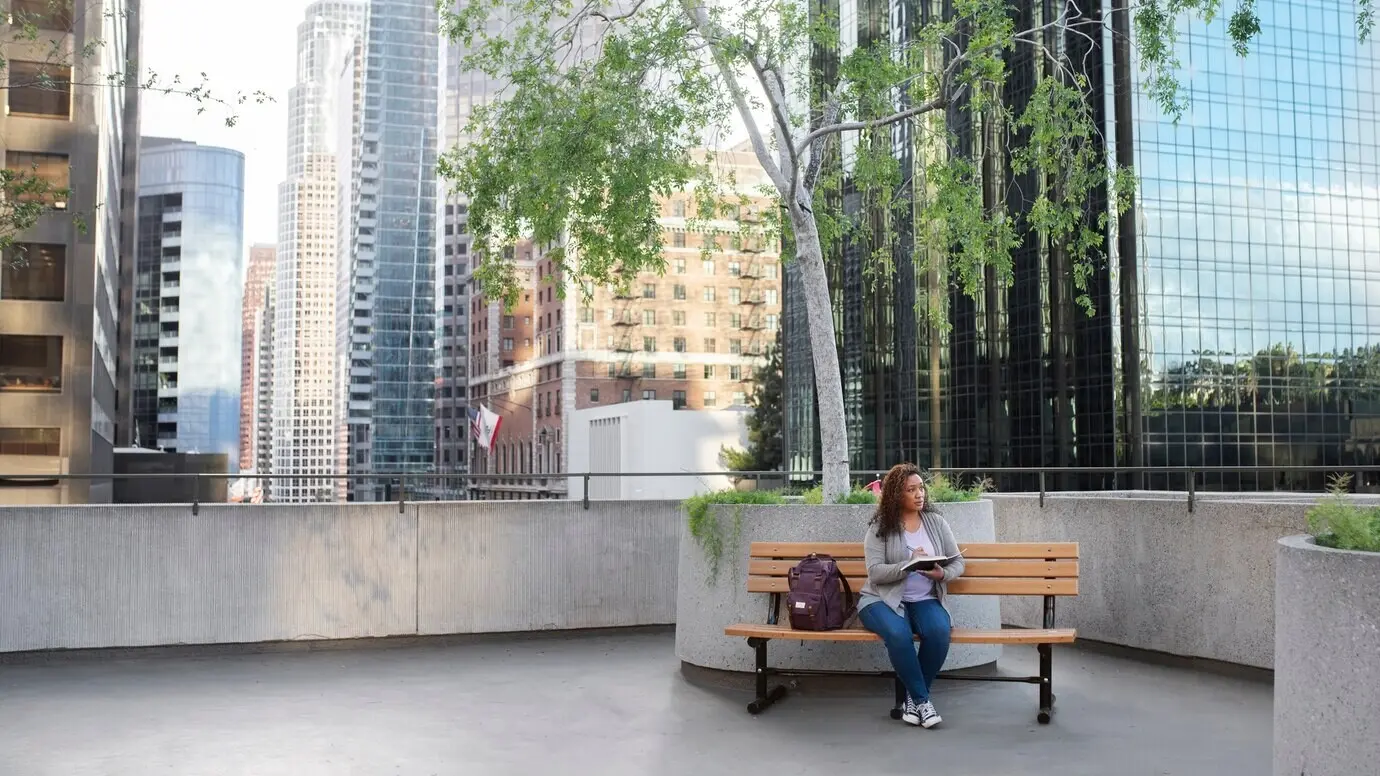
Neighbors Who Nurture Small Urban Green Places

Join us as we celebrate community stewardship and maintenance of small urban green sites, from curbside tree pits to pocket parks and rain gardens. We’ll share practical routines, inspiring stories, seasonal checklists, and partnership shortcuts so your block’s little oasis thrives, invites wildlife, and welcomes every neighbor to participate, learn, and return.

Getting Organized Without Losing Heart

Map Tasks That Matter

Walk the site together and list what truly changes outcomes: watering schedule, trash pickup, compaction relief, mulch depth, and plant health checks. Color-code urgent, seasonal, and nice-to-have actions, then match tasks to energy levels so everyone contributes without feeling stretched or sidelined.

Roles That Empower, Not Exhaust

Invite co-leads instead of lone heroes, and rotate responsibilities with clear, kind handoffs. Offer micro-roles like five-minute litter sweeps, photo documenting, or watering a single bed. This keeps momentum resilient, builds trust, and prevents burnout while nurturing new leaders gently.

Tools, Storage, and Safety Basics

Keep a simple kit: sturdy gloves, trowels, five-gallon buckets, hose keys, a first-aid pouch, and reflective vests for street edges. Label everything, store near the site, and share quick safety briefings so confidence grows and every visit ends with smiles, not scrapes.

Soil, Water, and Plants That Thrive

Simple Soil Checks

Scoop a handful and feel the texture; note gritty sand, sticky clay, or crumbly loam. Watch how puddles behave after rain, and look for worm castings, fungal threads, and root vigor. Add compost gradually, not aggressively, to encourage balance instead of quick, brittle growth.

Watering With Intention

Scoop a handful and feel the texture; note gritty sand, sticky clay, or crumbly loam. Watch how puddles behave after rain, and look for worm castings, fungal threads, and root vigor. Add compost gradually, not aggressively, to encourage balance instead of quick, brittle growth.

Plant Choices That Respect Place

Scoop a handful and feel the texture; note gritty sand, sticky clay, or crumbly loam. Watch how puddles behave after rain, and look for worm castings, fungal threads, and root vigor. Add compost gradually, not aggressively, to encourage balance instead of quick, brittle growth.

Spring Reset With Gentle Energy

Loosen compacted soil, cut back winter stems thoughtfully, and top up mulch without smothering crowns. Refresh signage, repaint edges, and reintroduce the space with a cheerful workday. Small touches, like birdbaths and bee hotels, invite returning life and encourage neighbors to linger longer.

Summer Care Without Burnout

Create buddy systems for watering, shade breaks, and check-ins. Prioritize deep soaking, spot weeding, and litter sweeps over big projects. Share cold fruit, music, and quick photos to celebrate progress, then finish early so caretakers return refreshed instead of exhausted next week.

Autumn Tidying and Winter Watchfulness

Leave seed heads for birds, pile leaves into composting rings, and protect young trunks from salt spray. Check stakes, tie-ins, and drainage during storms. Winter walks reveal patterns, invite planning conversations, and keep the bond alive until warmth calls tools back outside.

Design That Welcomes and Withstands

Think like a steward and a visitor. Create clear edges, durable paths, and visible entrances that invite respect. Use plant density, low fences, and strategic signage to guide feet kindly, discourage dumping, and make caretaking faster, safer, and easier for everyone.

Partnerships, Permissions, and Micro-Funding

Small urban green sites flourish when neighbors coordinate with city agencies, schools, and local businesses. Learn permit basics, document successes, and diversify tiny funding streams. Transparent budgets and thank-you rituals keep trust high, attract fresh allies, and turn one garden into a neighborhood movement.

Stories, Metrics, and Ongoing Invitation

Data matters, but people stay for stories. Capture photos, quotes, and small numbers that show momentum: gallons saved, bags of trash, butterflies spotted. Share updates regularly, ask questions, and invite neighbors to subscribe or comment so stewardship becomes a shared, evolving conversation.

A Saturday That Changed Everything

When a storm toppled branches across the path, a retired carpenter brought a saw, teens arrived with playlists, and strangers formed a bucket brigade. By noon, sunlight returned. That day’s photos and notes still recruit volunteers who crave belonging more than applause.

Simple Metrics That Spark Pride

Count watering visits, living plants after a heat wave, and neighbors who stop to chat. Track pollinator sightings and litter reductions by season. These numbers guide funding asks and help your group feel progress even when bigger civic challenges feel daunting.

Keep the Door Open, Always

End every post with an invitation: next workday date, beginner-friendly tasks, and a reminder that no experience is required. Offer a newsletter signup, share bilingual resources, and ask for feedback. Friendly persistence turns occasional visitors into confident caretakers and new organizers.
Ruferivazimetatuna
Privacy Overview

This website uses cookies so that we can provide you with the best user experience possible. Cookie information is stored in your browser and performs functions such as recognising you when you return to our website and helping our team to understand which sections of the website you find most interesting and useful.