Cooler Streets Through Micro‑Greening

We’re exploring Micro‑Greening for Urban Heat Relief: Shade, Planters, and Street Trees, turning big climate challenges into small, practical moves that fit sidewalks, courtyards, bus stops, and storefronts. Expect evidence, stories, and step‑by‑step ideas that help you cool hot blocks, invite neighbors, and nurture lasting green canopies where they matter most.

Why Small Green Changes Beat the Heat

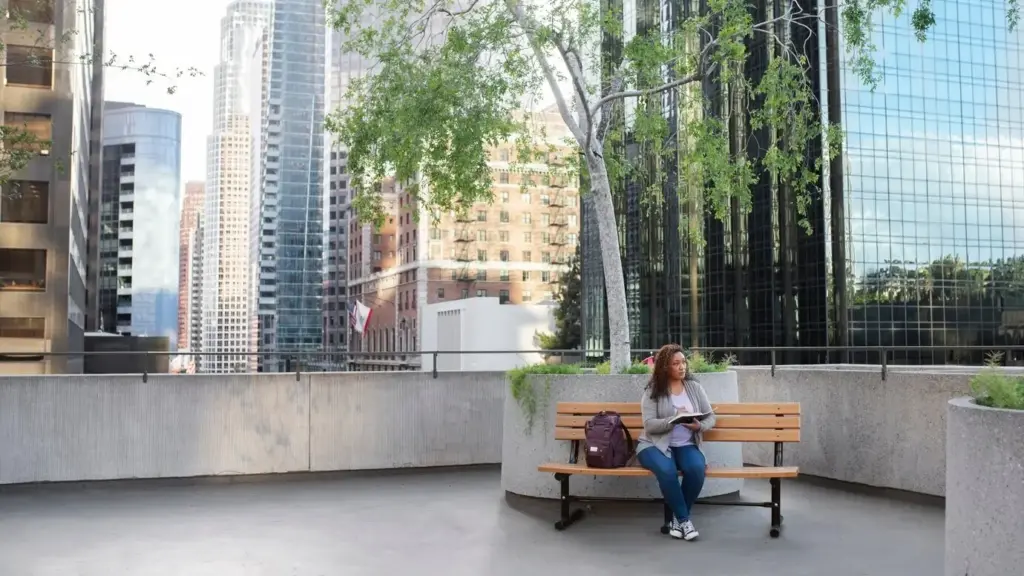
Cities can run 2–7°C hotter than nearby rural land, yet small, layered plantings can punch above their weight. Shade blocks solar gain, leaves drive evapotranspiration, and permeable soils store life‑saving moisture. Together they soften glare, calm winds, and create welcoming microclimates that make walking pleasant, businesses livelier, and afternoons gentler for everyone, especially kids and elders.

Designing Shade That Works All Day

Good shade meets the sun where it actually travels. Morning glare differs from late‑day heat, and winter sun is precious. Design for seasonal angles, sightlines, and accessibility. Mix trees with pergolas, awnings, or sails to bridge growth years and fill gaps between branches. Aim shade onto where people wait, walk, and rest, not just where drawings look pleasant.

Planters That Thrive on Busy Streets

Soil Volume, Water Storage, and Root Happiness

Roots need depth, air, and consistent moisture. Use double‑walled planters with hidden reservoirs and overflow to prevent drown‑outs during storms. A chunky mineral mix improves drainage while biochar boosts water holding. Add slow‑release organic nutrients and mulch generously. The result is forgiving, stable conditions that cushion heat spikes and keep leaves shimmering green through punishing midsummer afternoons.

Plant Palettes Built for Heat, Wind, and Salt

Choose resilient species: small ornamental grasses, sedges, salvias, aromatic herbs, and pollinator‑friendly perennials that shrug off reflected heat and gusty corners. Mix textures and bloom times to extend interest. Add drought‑tolerant shrubs for height and micro‑shade. Prioritize native or well‑adapted plants to support urban wildlife. The goal is tough elegance that still delights passersby and visiting bees.

Designing Edges People Love and Protect
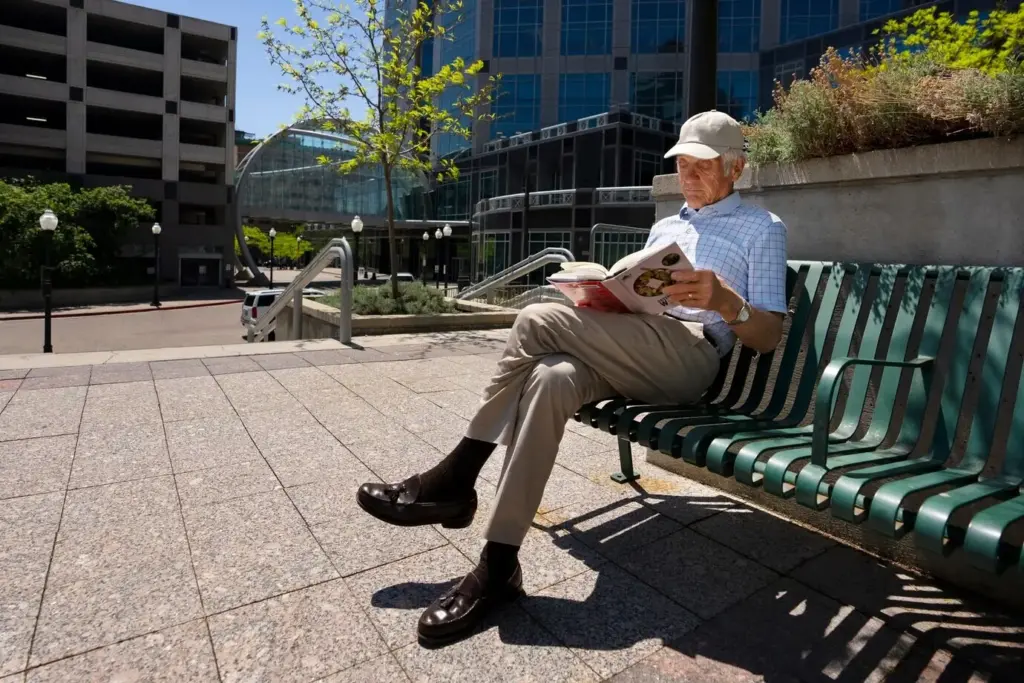
Thick rims double as seats and deter errant wheels. Integrate discreet reflectors and corner guards to handle night traffic. Provide small placards about watering days, plant names, and pollinator value. When people understand a planter’s purpose and schedule, they contribute care rather than cause damage, turning a vulnerable container into a cherished neighborhood amenity worth defending together.

Street Trees: From Sapling to Canopy

Street trees are infrastructure, not decoration. Choose species that tolerate compaction, salt, drought, and pruning. Give roots breathing room with structural soils or suspended pavements. Protect trunks, water deeply, and plan for the first three seasons. With thoughtful starts and steady stewardship, slender whips become restorative arches that cool routes to school, shops, clinics, and playgrounds citywide.

Measuring Impact and Proving Results

Simple Sensors, Big Insights

Clip low‑cost data loggers to signposts and compare shaded versus unshaded conditions across a week. Supplement with handheld infrared readings of benches, pavements, and planters at peak sun. Patterns appear quickly, helping refine placement and species choices. Share open data dashboards so neighbors and officials can browse updates, building trust through transparent, community‑owned measurement rather than abstract promises.

Thermal Photography That Tells a Story

A single thermal photo of a shaded bus stop beside a bare one turns skeptics into supporters. Pair images with quotes from people using the space. Show how planter moisture lowers surface heat and how foliage cools walls. Visual evidence travels easily through newsletters, council briefings, and social media, helping busy decision‑makers grasp benefits in seconds without technical jargon.

From Anecdotes to Funding‑Ready Cases

Combine testimonials, temperature reductions, and maintenance logs into short briefs with clear budgets. Translate comfort gains into economic metrics: dwell time, retail conversions, and avoided heat‑related incidents. Funders appreciate credible, repeatable models. Offer adopt‑a‑planter options and phased street tree maps so donors can see progress. Strong documentation shortens the distance between pilot successes and district‑wide rollouts.

From Quick Wins to Long‑Term Stewardship

Start small to build confidence, then scale with partners and policy. Pilot pop‑up shade on the hottest corner, rally volunteers for watering, and sign simple maintenance agreements. As benefits become visible, line up grants, expand plantings, and institutionalize standards so cooling is not a one‑off gesture but an everyday part of how the street cares for its people.

Pop‑Up Projects That Spark Momentum

Weekend installations with movable planters, temporary sails, and loaner benches let everyone experience comfort before budgets are finalized. Ask local cafés to host refill hoses, and invite cyclists to test cooler routes. Collect feedback live with QR codes. These playful prototypes transform uncertainties into shared enthusiasm, smoothing future approvals and widening the circle of neighbors ready to help.

Permits, Policies, and Practical Agreements

Early meetings with public works, fire access teams, and business owners prevent headaches later. Map clearances, turning radii, and sightlines; document maintenance roles and watering sources. Standardize planter dimensions and tree guards to streamline reviews. When expectations are written, conflicts fade, and crews appreciate predictability. Practical governance turns charming experiments into reliable, maintained, and proudly adopted neighborhood assets.

Ruferivazimetatuna
Privacy Overview

This website uses cookies so that we can provide you with the best user experience possible. Cookie information is stored in your browser and performs functions such as recognising you when you return to our website and helping our team to understand which sections of the website you find most interesting and useful.